
Behavioral Science Champions 4
Cohort 4 comprises 20 talented individuals from across the globe, each bringing a unique story, background, and passion for advancing behavioral science. Together, they embody the spirit of our program—combining lived experience, multidisciplinary expertise, and a shared commitment to making a difference. Representing countries such as Morocco/USA, Zambia, Nigeria/USA, Kenya, the UK, India, the Philippines, Uganda, Cameroon, Portugal-Mozambique, and the USA, this cohort reflects the truly global reach of our network.
This diverse group showcases a vibrant blend of global and regional expertise in public health, behavioral science, and social change. They bring together professionals from Africa, Asia, Europe, and North America, merging local knowledge with international experience to strengthen health behavior interventions. Participants include public health practitioners, clinicians, researchers, gender equity advocates, and communication specialists, many of whom operate at the intersection of policy, systems strengthening, and community engagement. Their collective experience spans epidemiology, digital health, behavioral design, and health promotion, illustrating the rich, multidisciplinary nature of behavioral science today.
Together, they stand as behavioral science champions, committed to bridging global and local perspectives to make public health programs more effective, human-centered, and sustainable.

Danya Subhas

Belia Longwe

Dr. Weyinmi E. Orighoye

Omolara Oyinlola

Françoise Engoulou

Chioma T. Okafor

Nga Kim Nguyễn

Sarah Sadiq

Rooplata Sahu

Elizabeth Chiyende

Dr. Mamta Chauhan

Tanya Mia Hisanan

Greg Emuze
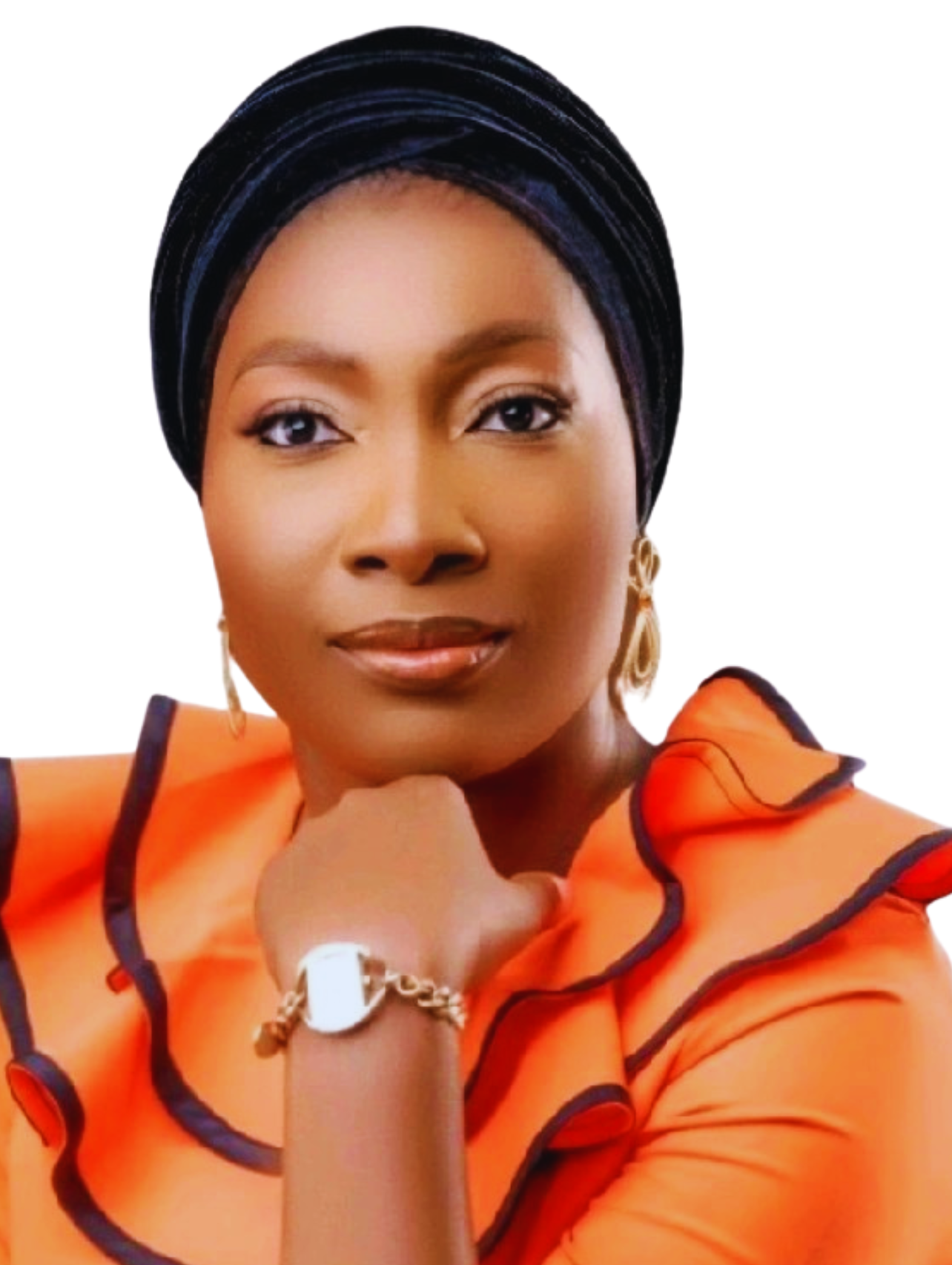
Dr. Basirat Razaq-Shuaib
COHORT 4 GROUP PRESENTATIONS
Cohort 4 group presentations showcase how behavioral science can be applied to pressing global health and development challenges across diverse contexts. The groups explored topics such as promoting disability-inclusive online engagement among youth, increasing uptake of PrEP to reduce vertical HIV transmission across multiple countries, reducing single-use plastics through behavior change among university students, and empowering women to seek breast cancer screening in Zambia. Across these projects, participants identified key behavioral barriers, defined priority audiences, and designed practical, evidence-informed interventions. Their work highlights the power of behavioral insights to drive inclusive, scalable, and context-specific solutions.


